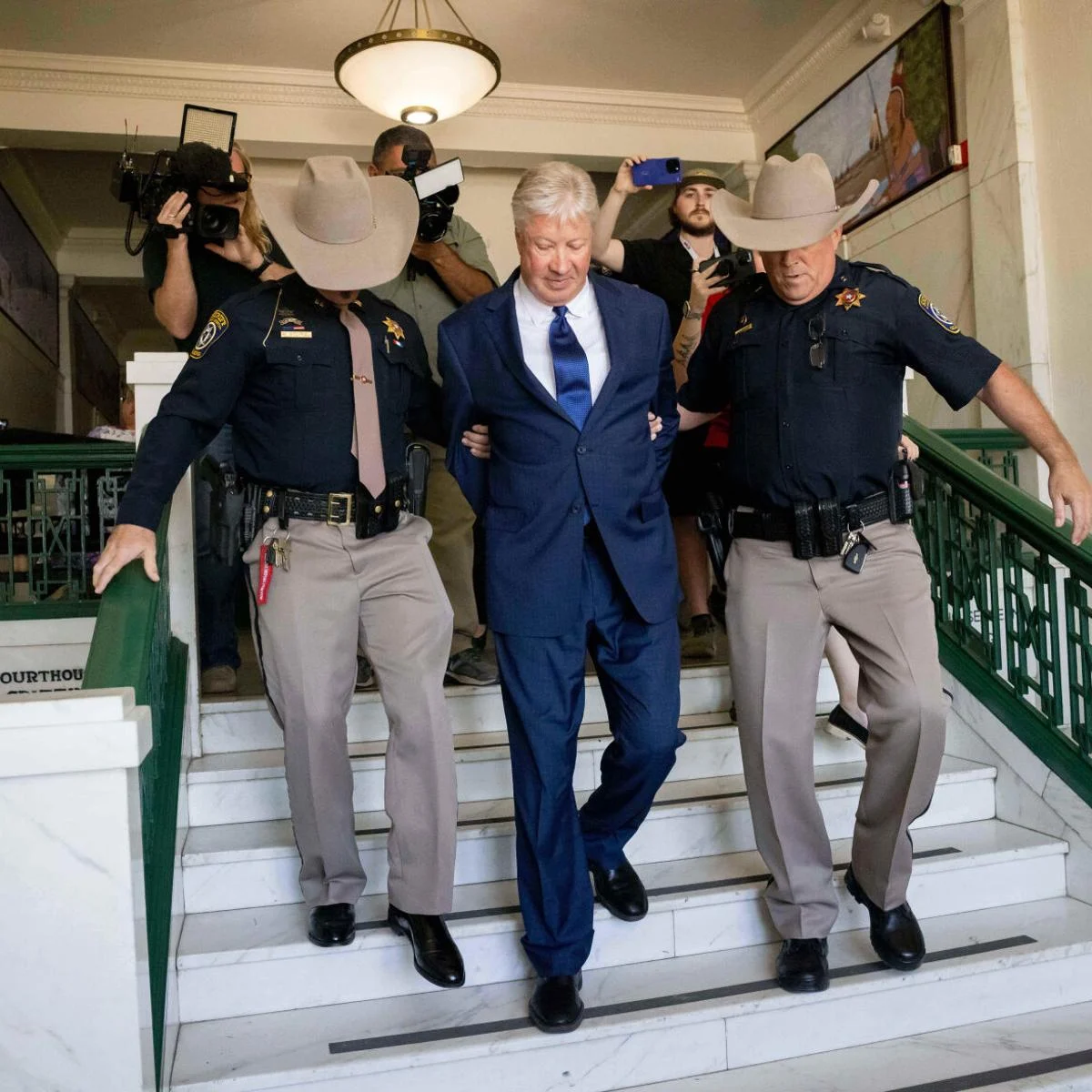
In a case that has sent shockwaves through religious communities nationwide, Robert Morris—the influential founder of Gateway Church, one of Texas’s largest megachurches—has pleaded guilty to charges of child sexual abuse. Known for his charismatic sermons and sprawling congregation, Morris’s admission marks a devastating moment for followers who once saw him as a spiritual beacon.
The plea was entered in court on October 2, 2025, confirming years of speculation and investigation. The charges stem from incidents involving minors, and the details, though tightly sealed, have ignited widespread calls for accountability within religious institutions.
Robert Morris built Gateway Church into a spiritual empire, with satellite campuses, televised sermons, and a global reach. His teachings influenced millions, and his proximity to political and business leaders gave him a powerful platform. But beneath the polished exterior, prosecutors say, lay a pattern of abuse that spanned years.
The guilty plea is not just a legal milestone—it’s a cultural reckoning. It forces a hard look at how power, trust, and faith can be manipulated behind closed doors. For many, the betrayal feels personal. For survivors, it’s a long-awaited moment of truth.
The fallout is immense. Congregants are grappling with disbelief, grief, and anger. Church leadership has issued statements promising transparency and support for victims, but the road to healing will be long.
This case also reignites broader conversations about:
- Oversight in religious organizations
- Protection protocols for children and vulnerable members
- The psychological toll of spiritual betrayal
Faith leaders across the country are urging their communities to prioritize safety and accountability over blind allegiance.
While Morris awaits sentencing, advocacy groups are mobilizing. Survivors of abuse within religious settings are speaking out, demanding systemic change. Legal experts say this case could set a precedent for how megachurches handle internal investigations and cooperate with law enforcement.
The message is clear: no one is above the law. And when institutions fail to protect, justice must intervene.
Robert Morris’s fall from grace is a sobering reminder that charisma does not equal character. As the legal process unfolds, the focus must remain on the survivors—their courage, their pain, and their right to justice.
This isn’t just a story about one man. It’s a wake-up call for every institution built on trust. And it’s a moment to reaffirm that faith, at its core, should be a place of safety—not silence.