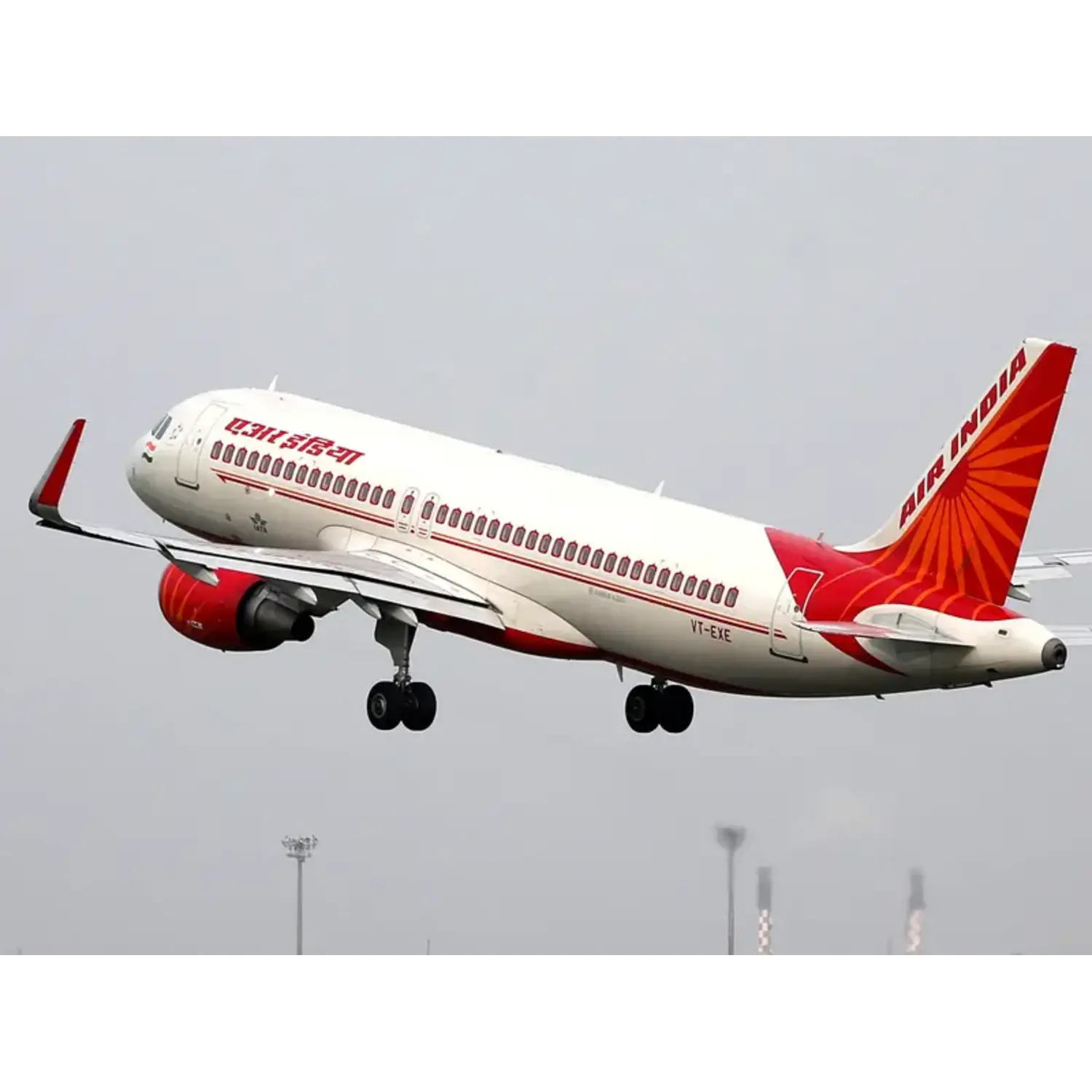
India’s aviation regulator has found 51 safety violations at Air India over the past year during its annual inspection of all commercial airlines. Although not linked to last month’s fatal Boeing 787 crash that killed 260 people, the audit findings have renewed scrutiny of the national carrier.
What did the audit find?
The Directorate General of Civil Aviation (DGCA) flagged 263 safety issues across eight Indian airlines. Of these, Air India had the second-highest number of lapses (51), including seven Level 1 findings, the most serious classification, and 44 Level 2 lapses. Under UN aviation standards, Level 1 issues show non-compliance that could “seriously endanger safety”, while Level 2 refers to safety gaps that “could lower or possibly hazard safety”.
Such findings can lead to immediate actions, including suspension or revocation of an airline’s operating approvals. Airlines are generally given three months to address the issues. The DGCA said it conducts such audits as part of its Annual Surveillance Plan to identify safety concerns and encourage improvements.
An Air India spokesperson said the airline was “fully transparent” during the audit process and added that these checks are routine for all airlines. “We acknowledge receipt of the findings and will submit our response to the regulator within the stipulated time frame, along with the details of the corrective actions taken,” the airline said.
The DGCA also clarified that it is normal for large airlines to have more observations due to the size and complexity of their operations. “It should be emphasised that, for airlines with extensive operations and large fleet sizes, a higher number of audit findings is entirely normal,” the regulator noted.
Specific lapses at Air India remain unclear
While the audit report itself has not been released, a government document cited by Reuters pointed to serious issues within Air India’s operations. These included gaps in pilot training, use of unapproved simulators, and poor pilot rostering. The report highlighted “recurrent training gaps” among Boeing 787 and 777 pilots who reportedly missed mandatory monitoring duties.
Previous safety issues and growing scrutiny
Earlier this year, Reuters also reported that Air India’s low-cost arm, Air India Express, was reprimanded by the DGCA for delaying the replacement of a critical engine part on an Airbus A320 and falsifying records to show compliance.
Air India Express admitted the fault and told regulators it had taken “remedial action and preventive measures”. DGCA chief Faiz Ahmed Kidwai told the BBC that this information came from the airline itself through “self-reporting”. “I would not condone it [the lapses]. But [at least] we have started getting these reports. India’s skies have always been safe,” Kidwai said.
India’s safety record: Better than global average?
Despite the findings, Mr Kidwai defended India’s aviation safety record, citing UN data that shows India has mostly performed better than the global average for accidents per million flights. “Only twice between 2010 and 2024 did we exceed the global average, both years with major accidents,” he said.
India has faced three major crashes in 15 years:
• June 2025: An Air India Boeing 787 crash killed 260 people.
• August 2020: An Air India Express flight skidded off a wet runway in Kozhikode, killing 21.
• May 2010: A Dubai–Mangalore flight overshot the runway, killing 158.
Meanwhile, between 2020 and early 2025, Indian carriers reported 2,461 technical snags, including 1,288 by IndiGo, 633 by SpiceJet, and 389 combined by Air India and Air India Express. Kidwai said the rise in reported faults was a good sign. “I wouldn’t say I’m pleased about it. But I do see value in the growing culture of reporting. It’s far better for every snag to be brought to the attention of the authorities than keeping quiet and operating the aircraft.”