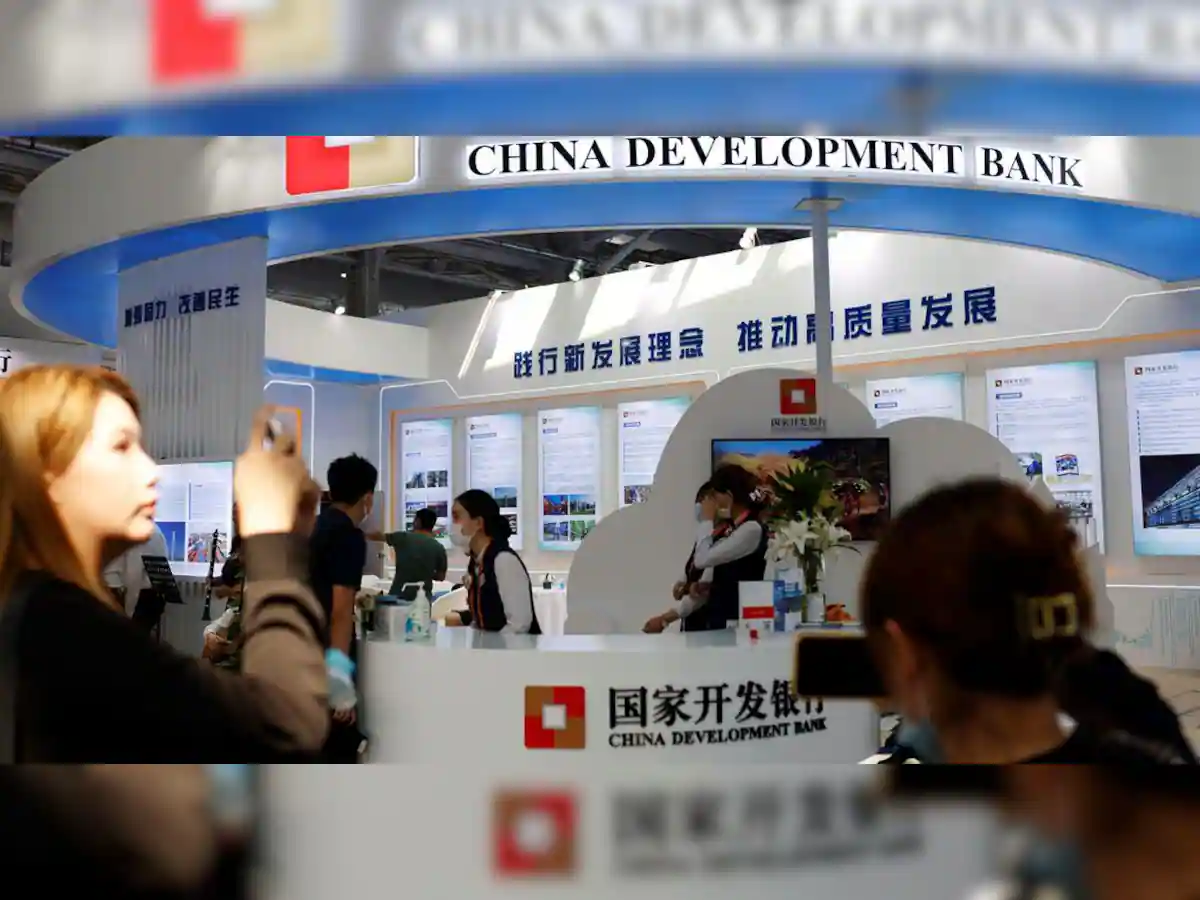
Foreign businesses are swiftly retracting their investments from China, signalling a paradigm shift in the global economic landscape. The unprecedented $11.8 billion deficit in foreign investment, a stark departure from the country’s historical trends, is raising eyebrows and prompting a closer examination of the factors at play.
Several factors contribute to this investment exodus. A cocktail of China’s slowing economy, low-interest rates, and an escalating geopolitical tussle with the U.S. are casting shadows of doubt over the country’s economic potential. Businesses, facing uncertainties on multiple fronts, are erring on the side of caution, leading to a reassessment of their engagement with the world’s second-largest economy.
Geopolitical risks, domestic policy uncertainties, and concerns about slower growth are driving foreign companies to explore alternative markets. Strict pandemic lockdowns under China’s ‘zero-Covid’ policy have disrupted supply chains for multinational corporations, further fueling the decision to diversify investments. While established multinational firms remain in the Chinese market, new investments are under scrutiny, reflecting a shift in the global economic landscape.
Beyond the immediate data, deeper insights emerge. The tensions between China and the U.S. have led to fresh export restrictions, impacting the supply chain dynamics for major companies like Apple. Diversification becomes not just a strategy but a necessity, prompting businesses to rethink their dependence on a single market. The story transcends a mere economic shift; it is a reflection of the evolving dynamics in global trade relationships and the delicate dance between economic giants.
Moreover, interest rates play a crucial role in this narrative. While global counterparts raise rates to combat inflation, China, in an unconventional move, lowers interest rates to support its economy. This, coupled with a depreciating yuan, prompts businesses to redirect their excess cash and earnings overseas, seeking higher investment returns.
As the world anticipates a crucial meeting between Chinese leader Xi Jinping and U.S. President Joe Biden, businesses remain cautiously optimistic. The diplomatic engagement witnessed over the past months hints at a desire to stabilize the relationship between the two economic powerhouses. However, the intricate web of economic uncertainties and geopolitical dynamics continues to cast a shadow on foreign investment in China.