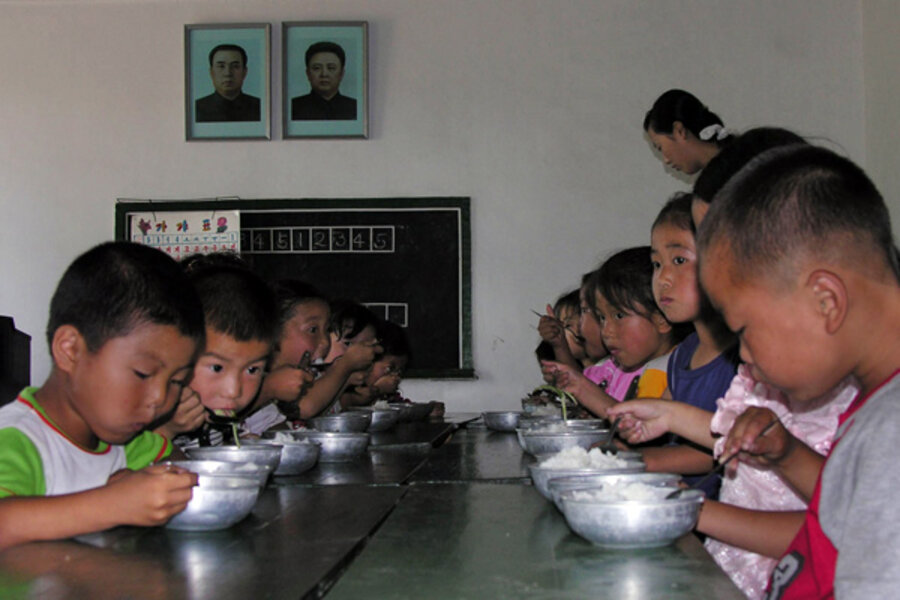
The food crisis in North Korea has reached a new level of severity, as the country faces its worst harvest in decades, a prolonged pandemic lockdown, and crippling international sanctions.
According to a recent report by the UN World Food Programme (WFP) and the Food and Agriculture Organization (FAO), more than 10 million people in North Korea are in urgent need of food assistance, and the situation is expected to worsen in the coming months.
The report estimates that North Korea produced only 4.6 million tons of cereal in 2020, the lowest amount since 2008, and 860,000 tons less than the previous year. This means that the country has a cereal deficit of 1.35 million tons for the 2020/21 marketing year, which is equivalent to more than three months of food consumption for the entire population.
The report also warns that the country’s food reserves are likely to be exhausted by October, leaving millions of people at risk of hunger and malnutrition. The main causes of the poor harvest are the extreme weather events that hit North Korea last year, such as floods, droughts, and typhoons, which damaged crops and infrastructure. The country also suffered from a lack of agricultural inputs, such as fertilizers, seeds, and fuel, due to the border closures and trade restrictions imposed by the COVID-19 pandemic.
Moreover, the economic sanctions imposed by the international community over North Korea’s nuclear and missile programs have further hampered the country’s ability to import food and other essential goods. The WFP and FAO have urged the international community to provide humanitarian assistance to North Korea, especially to the most vulnerable groups, such as children, pregnant and lactating women, and the elderly.
They have also called for easing some of the sanctions and restrictions that hinder the delivery of aid and the recovery of the agricultural sector. However, the political situation remains tense and uncertain, as North Korea has rejected any dialogue with the United States and South Korea, and has continued to develop its nuclear and missile capabilities.
The food situation in North Korea is not only a humanitarian tragedy, but also a security threat for the region and the world. If left unaddressed, it could lead to social unrest, mass migration, or even military conflict. Therefore, it is imperative that the international community works together to find a peaceful and sustainable solution to this crisis, while respecting the sovereignty and dignity of the North Korean people.